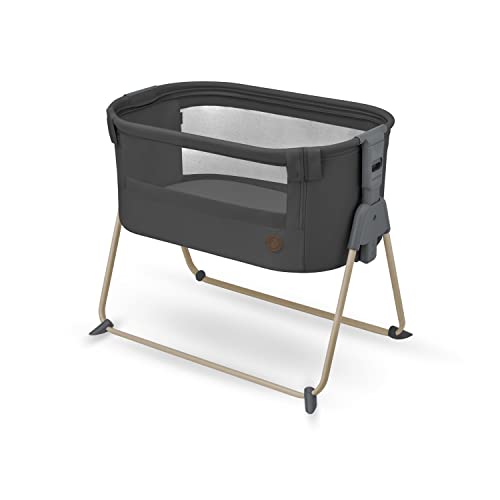
Why Cot Infant Is A Lot More Hazardous Than You Thought
Understanding Cot Infants: A Comprehensive Guide for New Parents
Inviting a newborn into the world is one of life's most jubilant experiences; however, it is likewise loaded with responsibilities, particularly concerning safety and care. The cot, or crib, is an essential aspect in guaranteeing a safe sleeping environment for infants. This article intends to notify moms and dads about the important aspects of cot babies, shedding light on safety, types of cots, advised practices, and much more.
What is a Cot Infant?
A “cot infant” refers to an infant that oversleeps a cot, which is a little bed particularly designed to provide a safe sleeping area for babies, normally ages 0 to 2 years. The main purpose of a cot is to keep babies safe while they sleep, lessening the risk of falls and ensuring they are safe in an included environment.
Kinds of Cots
When picking the best cot for an infant, parents have a number of alternatives to pick from. Below is a detailed table laying out various types of cots available in the market:
Type of Cot
Description
Benefits
Drawbacks
Requirement Cot
A common cot made from wood or metal, created for babies as much as 24 months.
Safe, durable, adjustable bed mattress height.
Large, may use up significant space.
Travel Cot
A portable, lightweight cot that can be quickly folded.
Easy to transport, ideal for taking a trip.
Less durable than basic cots.
Co-Sleeper
A cot that attaches to the parents' bed.
Promotes bonding, enables easy gain access to for nursing.
Minimal sleeping area, might not be as safe and secure.
Convertible Crib
A cot that can be transformed into a young child bed.
Long-term use, versatile as your kid grows.
Higher initial expense, more complicated assembly.
Moses Basket
A small, portable basket for babies, generally utilized in the early months.
Lightweight, relaxing environment for babies.
Brief lifespan, less safe as infants grow.
Safety Guidelines for Cot Infants
Guaranteeing the security of a cot infant is paramount. The American Academy of Pediatrics (AAP) provides numerous standards that moms and dads ought to adhere to when utilizing cots:
- Placement: Place the cot away from windows, curtains, cables, and lamps to avoid any potential risks.
- Mattress Fit: Ensure the mattress fits snugly into the cot frame without any gaps, getting rid of the threat of entrapment.
- Bed linen: Use a firm bed mattress with a fitted sheet. Avoid toys, bumper pads, heavy blankets, and pillows to minimize suffocation dangers.
- Sleeping Position: Always position the infant on their back to sleep. This position has actually been linked to a substantial decrease in Sudden Infant Death Syndrome (SIDS).
- Regular Checks: Inspect the cot routinely for loose or damaged parts, and tighten up or change them as required.
Additional Considerations
In addition to the safety standards, there are other aspects to consider when taking care of cot infants:
- Monitoring Temperature: Infants can quickly end up being too hot or too cold. Dressing them in suitable layers and ensuring the cot is in a comfy environment is essential.
- Routine: Establishing a constant bedtime routine can assist babies feel protected and promote much better sleep habits.
- Transitioning: As infants grow, moms and dads must be prepared for the shift from cot to toddler bed. Signs of preparedness consist of climbing up out of the cot or going beyond the weight limit.
Frequently asked questions
For how long can a baby stay in a cot?
Usually, babies can use a cot up until they reach 24 months or when they can climb up out independently. Constantly inspect the producer's recommendations for particular weight limitations and safety guidelines.
Is a co-sleeper safe?
Co-sleepers can be safe when appropriately utilized, offered that they connect firmly to the parents' bed. Constantly follow security recommendations to prevent any dangers connected with sleeping arrangements.
What type of bed linen should be used in a cot?
A company mattress with a fitted sheet is advised. Avoid Cots And Tots , including pillows, blankets, or packed animals, to make sure the infant's safety.
How can I ensure my infant sleeps easily?
Display the infant's room temperature level, dress them appropriately for sleep, and maintain a soothing bedtime routine to promote comfort and a relaxing sleep.
When should I shift my kid to a toddler bed?
Many parents transition their kid to a young child bed in between the ages of 2 and 3 years, however preparedness can differ. Try to find signs such as climbing out of the cot or needing more space.
Looking after a cot infant includes understanding the specific needs of children in their early years. By selecting the appropriate cot, following safety guidelines, and preserving a comfy sleeping environment, parents can guarantee a safe and nurturing area for their children. As every kid is unique, it is vital to stay educated and ready, adapting to the specific needs of the cot infant as they grow. With the ideal understanding and practices, parents can develop a safe haven for their babies, guaranteeing assurance for both parents and babies alike.